


MedFriendly®














Psychology
Psychology generally has two definitions. First,
psychology can refer to the mental, motivational,
and behavioral features and attitudes of a person
or a group of persons. For example, the public has
generally been fascinated with the psychology of
serial killers. They want to know what motivates
them and why they behave and think the way they
do. In addition to psychology, some people decide
to study criminology (the science of criminal
behavior). People who are fascinated by studying
the thoughts and behaviors of criminals may also
consider pursuing a criminal psychology degree.
"Where Medical Information is Easy to Understand"™
The other main definition of psychology is the study of mental processes (in humans
and non-human animals) and how they affect behavior in a certain context. Examples
of mental processes are memory, intelligence, perception, personality, and emotions.
Many people have a stereotypical association of psychology with the famous
psychologist, Sigmund Freud, and believe it involves having people lie down on a
couch and having their mind “analyzed.” While some psychologists still practice a form
of psychological therapy (psychotherapy) that Sigmund Freud is well known for
(referred to as psychoanalysis) the truth is that modern psychology is typically not
represented by this stereotypical view.
There are many more clinical than counseling psychology graduate programs and hence
many more clinical than counseling psychologists.
Rather than subjecting patients to “analysis,” which people often wrongly associate with someone
reading their thoughts and telling them everything that is wrong with them, most modern psychotherapy
is represented by a collaborative approach. The most commonly used form of psychotherapy is
cognitive-behavioral therapy (CBT) in which patients are taught how thoughts control their emotions and
how modifying the former can affect the latter. There are many other paradigms (or forms) of
psychotherapy but each is ultimately focused on modifying behavior and/or mental processes to
improve the well-being of the individual.
Psychologists also used other techniques besides counseling such as hypnosis and biofeedback.
Hypnosis is a technique in which a person is placed in a mental state that resembles sleep and is given
suggestions (such as "you feel less pain now") that the person will accept. Biofeedback is a technique
in which body processes (such muscle tension) are made perceptible to the senses in order to control
them with the power of thought.
There are many different types of psychology with different focuses. For example, neuropsychology is
the study of the relationship between the brain and cognition (thinking), emotions, and behavior. Sports
psychology focuses on how psychological factors affect performance in sports and exercise. Forensic
psychology focuses on how the application of psychological science can assist the legal system (such
as determining if a person is competent to stand trial). Pediatric psychology focuses on children
whereas geropsychology focuses on the elderly. Someone who has the proper training, education, and
a state license to practice psychology is known as a psychologist.
Training to become a doctoral-level psychologist involves attending graduate school in psychology and
completing a one year psychology internship. Most students who enter graduate school have a
Bachelor's degree in psychology but this is not always required.
Many people confuse psychology with psychiatry. Although there is some overlap between the two
areas, psychology is generally focused on using psychological techniques to modify behavior and
mental functioning whereas psychiatry achieves this goal through the use of medications that affect
brain functioning. Some psychiatrists perform psychotherapy and there are a limited number of
psychologists who have the training and education to prescribe specific medications in states that allow
this (such as New Mexico).
Psychology comes from the Greek word "psyche" meaning "mind" and the Greek word "logos" meaning
"the study of." Put the two words together and you have "the study of (the) mind."

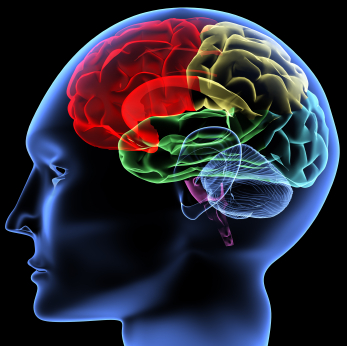
In everyday practice, psychology is best represented by clinical and counseling psychology. Clinical psychology is focused on integrating scientific knowledge, theoretical beliefs, and professional experience to improve psychological distress and personal development. Counseling psychology is a closely related field of psychology but focuses more on patients (or clients) with less severe mental illness and more on career assessments than clinical psychology.