

MedFriendly®














Obstetrics
Obstetrics is the science dealing with the care of
women and their fetuses during pregnancy and
childbirth, and during the events that come before and
soon after birth. Obstetrics also deals with the normal
and abnormal functioning of the female reproductive
system. Someone who practices obstetrics is known as
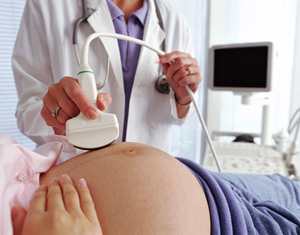
an obstetrician. During the pre-natal care phase,
emphasis is placed in obstetrics in screening for
pregnancy complications via clinical examinations,
blood tests, and diagnostic imaging (most commonly
FEATURED BOOK: Obstetrics: Normal and Problem Pregnancies
Ultrasound scanning is a procedure that uses high-frequency sound waves to produce
images of internal body structures. For women who are 35 or will reach 35 by mid-
pregnancy, amniocentesis may be performed Amniocentesis is a procedure in which a
small amount of fluid (known as amniotic fluid) is withdrawn from the sac that surrounds
the unborn child in the mother’s uterus. This fluid can then be tested to detect
abnormalities in the unborn child. The uterus is a hollow organ in a female's body where
the egg is implanted and the baby develops. Obstetrics is commonly abbreviated as OB,
and is also known as tocology. Since obstetrics is almost always studied and practiced
along with gynecology (see gynecologists), these two fields of study are commonly
abbreviated as OB/GYN. Gynecology is the study of the health care of women, including
diseases and normal physical care of the female reproductive system.
"Where Medical Information is Easy to Understand"™
Obstetrical and obstretric means pertaining to obstetrics. Obstetric also means pertaining to midwifery,
which is the employment of a person who is qualified by special training to help a woman give birth.
Obstetrics comes from the Latin word "obstetrix," meaning "midwife," which is someone who helps deliver
a baby.